Menu
Section: What were the ghettos and camps?

Case study: Buchenwald

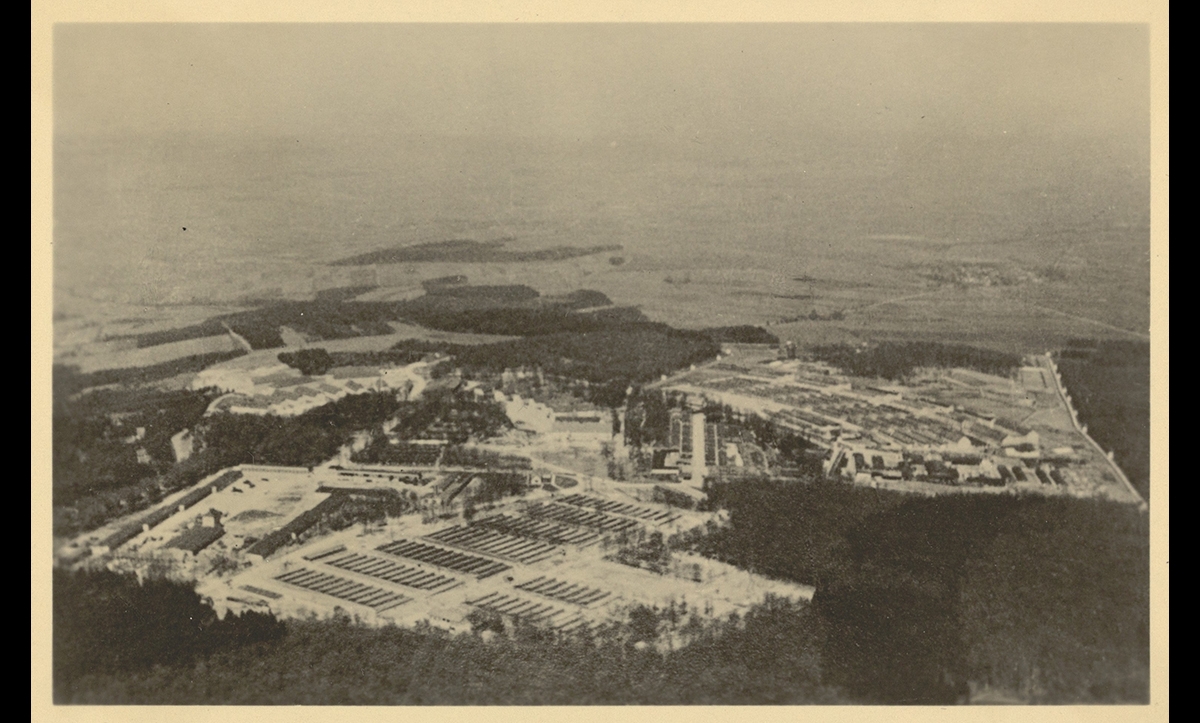
This is an aerial photo of Buchenwald taken some time between 1945 and 1950. After the camp was closed and handed to Soviet troops in 1945, the Soviets used it as an internment camp where former Nazis and anti-communist dissidents were imprisoned.

This is an aerial photo of Buchenwald taken some time between 1945 and 1950. After the camp was closed and handed to Soviet troops in 1945, the Soviets used it as an internment camp where former Nazis and anti-communist dissidents were imprisoned.

Courtesy of The Wiener Holocaust Library.

Buchenwald concentration camp was initially set up in July 1937, on the Ettersburg hill that sits north of Weimar in central Germany.

The first commandant of Buchenwald was Karl Koch. In January 1942, he was replaced by Hermann Pister, who ran the camp until it was liberated.

The camp was continually expanded, with buildings added such as an infirmary, disinfection stations, and the infamous Bunker, the camp prison where many prisoners were tortured. A crematorium was built in 1940, and in 1943 the first concentration camp brothel was added. Buchenwald also eventually had the largest sub-camp system, with over 130 built sub-camps between 1940-45.

Early inmates and conditions

The first 2,000 prisoners were mainly former convicts and political prisoners. They were forced to build the first structures of the main camp.

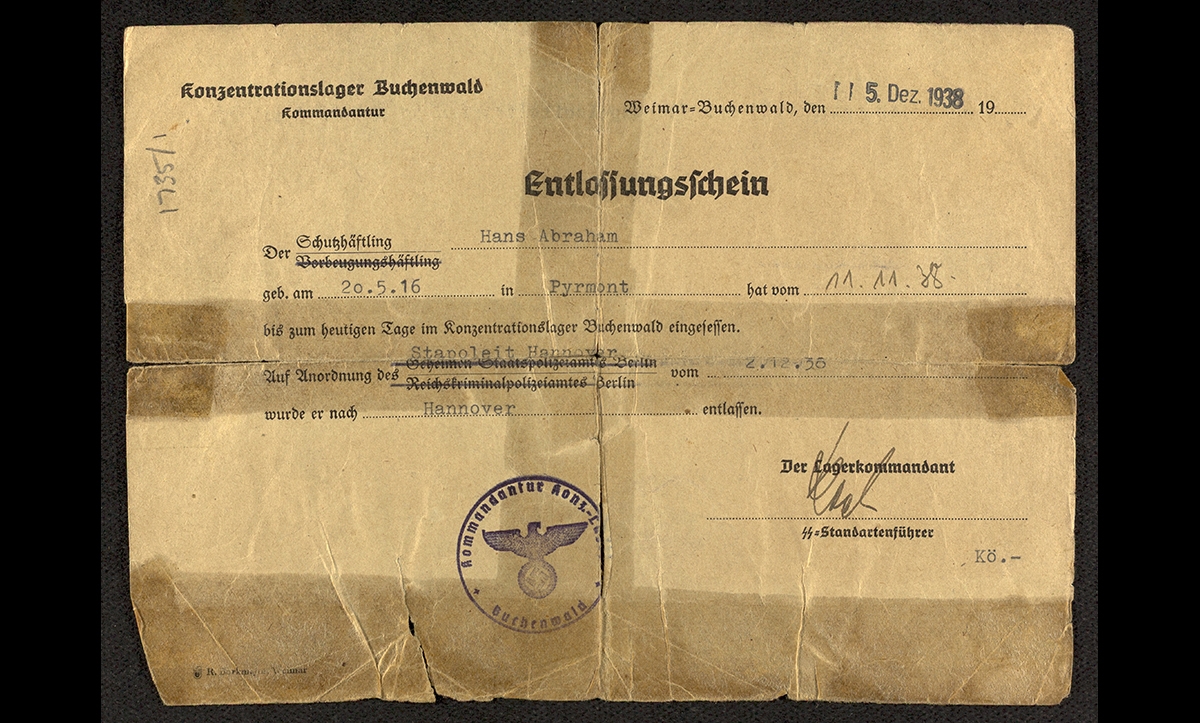
As the camp grew, periods of overcrowding often corresponded to events and waves of arrests in Germany. For example, in summer 1938, the number of inmates tripled due to the arrests of so-called ‘ asocials ’. During Kristallnacht , around 10,000 Jewish men were arrested and sent to Buchenwald. They were held in a segregated area of the camp and subjected to incredibly hard conditions; many died. Many were eventually released on the condition that they would leave Germany.

The SS utilised a system of prisoner administration to help run the camp which led to a power struggle between the Communist and criminal prisoners. By 1943, the Communist prisoners controlled all the important camp positions.

There were numerous prisoner groups doing different kinds of forced labour, including in various workshops, the stone quarry, construction, railways, and armaments production.

Extreme hunger was a fact of life – prisoners were given the most basic rations of bread, soup, and coffee. They were also exposed to daily terror and cruel punishments, including hours-long roll calls, arbitrary beatings, and public hangings.

The start of mass murder

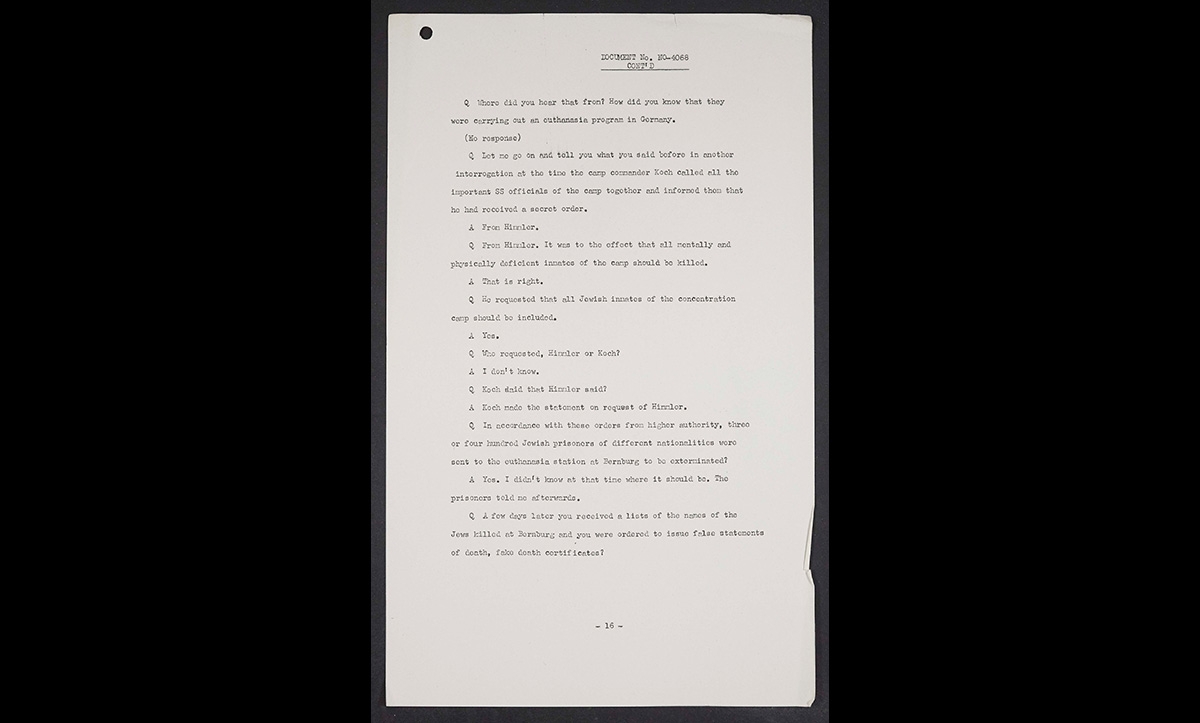
From 1941, some groups of prisoners began to be murdered at Buchenwald, and others, including Jewish prisoners and prisoners with disabilities, were deported to other camps and facilities for this purpose.

For example, approximately 8,000 Soviet prisoners of war were killed in 1941-42, in a specially built facility where they were shot in the back of the neck one by one. According to the director of the crematorium, sometimes as many as 400 men were shot per night.


 

Expansion and changes from 1942

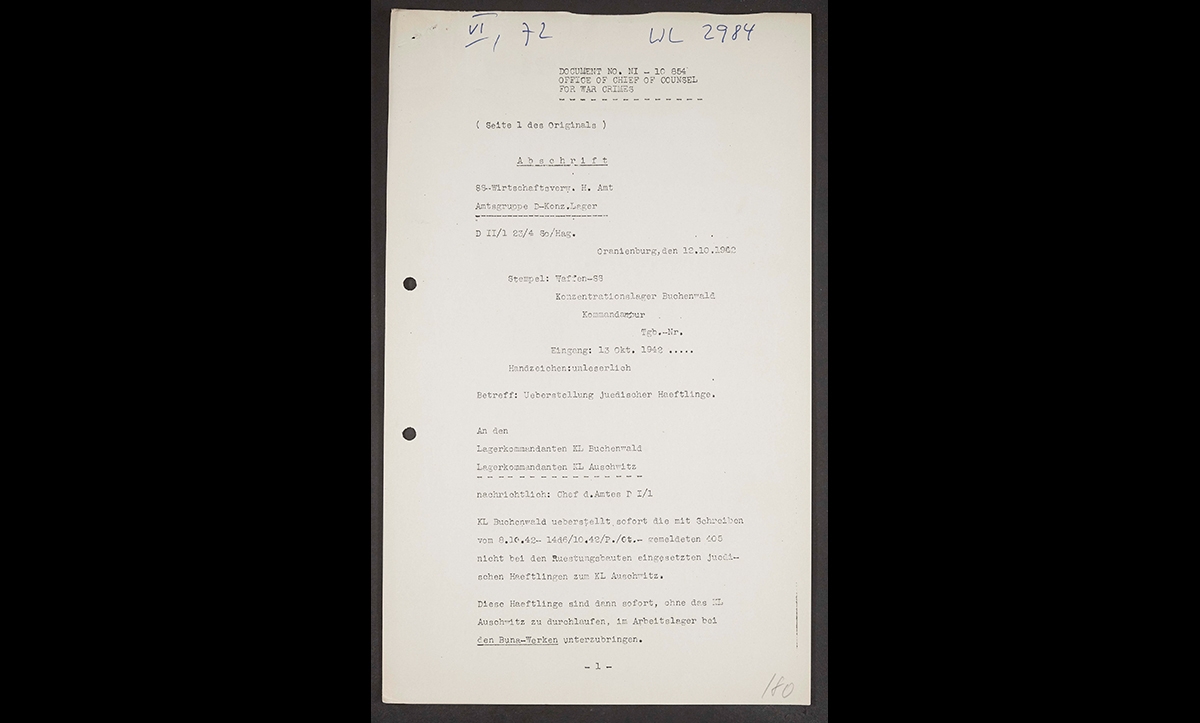
Germany’s increasingly drawn-out war, particularly on the Eastern Front against the Soviet Union, led to a restructuring of the concentration camp system, so that prisoner forced labour could be mobilised for economic purposes and the war effort.

This led to a massive increase and diversification of Buchenwald’s prisoner population. From April 1942 to September 1944, the population went from 8,400 to over 84,000. In 1943, the main prisoner group was still political prisoners, but from an increasing number of Nazi-occupied countries. In total, Buchenwald held prisoners from up to 35 different nationalities throughout its existence.

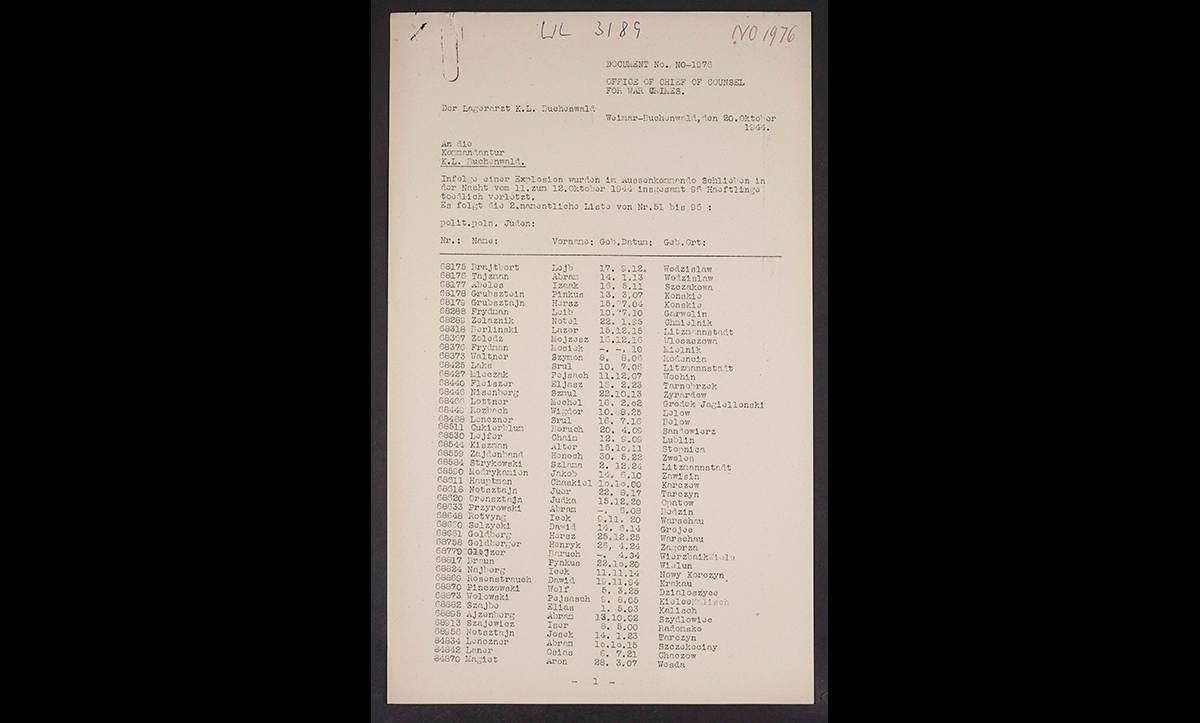
The camp was expanded, and its sub-camp system grew. Sub-camps varied in size and type of forced labour . In September 1944, the Buchenwald camp administration also took control of Ravensbrück’s sub-camps, which meant that for the first time women were prisoners of Buchenwald.

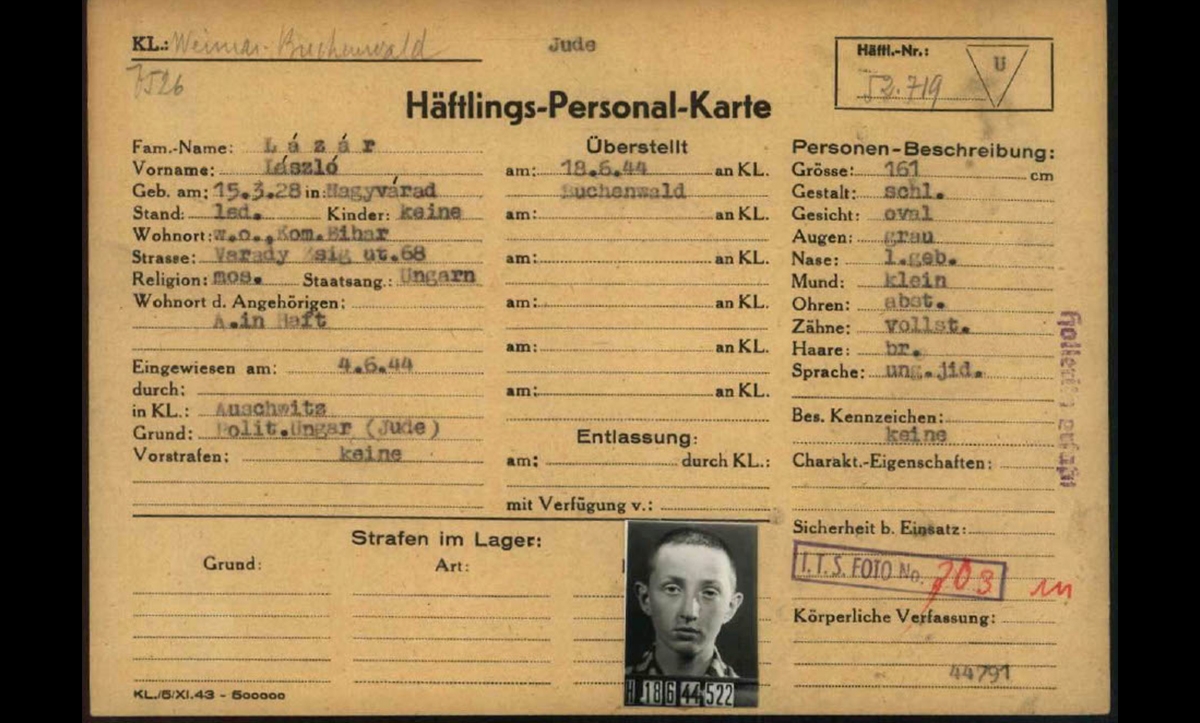
From mid-1944, Polish and Hungarian Jews became one of the largest prisoner groups. In February 1945, in total there were approximately 112,000 people imprisoned across the main and sub-camps.

The Little Camp

The Little Camp was set up as a quarantine or holding area of the main camp in 1943, for inmates that were to be sent to sub-camps. It was initially made up of twelve windowless horse stables. In 1944, large tents were also set up to accommodate the number of arrivals. At this time, prisoners stayed here for an average of four to six weeks.

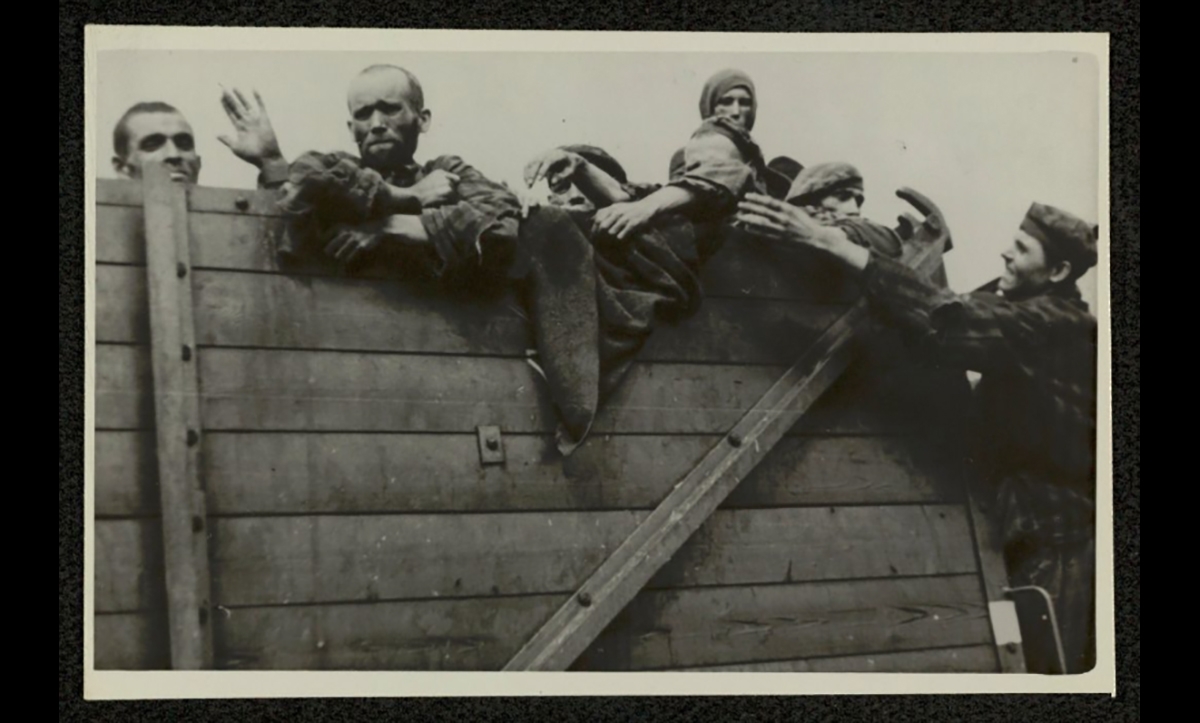
From January 1945, it was used as the destination of death marches and transports from camps in Poland. The arrival of these (mainly Jewish) prisoners made the Little Camp immensely overcrowded, leading to rampant death and disease. It is believed around 6,000 people died there in less than 100 days in 1945.

Liberation

This photograph shows former Buchenwald prisoners after their liberation. They had been evacuated to Theresienstadt at the start of April. Approximately 28,000 inmates of the main camp and 10,000 of the sub-camps were sent on death marches or evacuation transports from Buchenwald, where one in three are estimated to have died.

This photograph shows former Buchenwald prisoners after their liberation. They had been evacuated to Theresienstadt at the start of April. Approximately 28,000 inmates of the main camp and 10,000 of the sub-camps were sent on death marches or evacuation transports from Buchenwald, where one in three are estimated to have died.

Courtesy of The Wiener Holocaust Library.

Fearing the approach of the US Army, the Nazis began sending Buchenwald inmates on death marches and transports on 7 April 1945. American troops reached the camp on 11 April, where they found around 21,000 survivors. However, hundreds still died in the first days after liberation.

The camp temporarily became a Displaced Persons camp until the last former inmates were removed and US troops withdrew from the area in July, when it was turned over to Soviet troops.

Between July 1937 and March 1945, approximately 239,000 men were registered as prisoners of Buchenwald, as well as 27,000 women in the female sub-camps. It is estimated that throughout its existence, across the main and sub-camps, 56,000 people died.

Continue to next topic
Expansion and changes from 1942

Expansion and changes from 1942

What happened in March