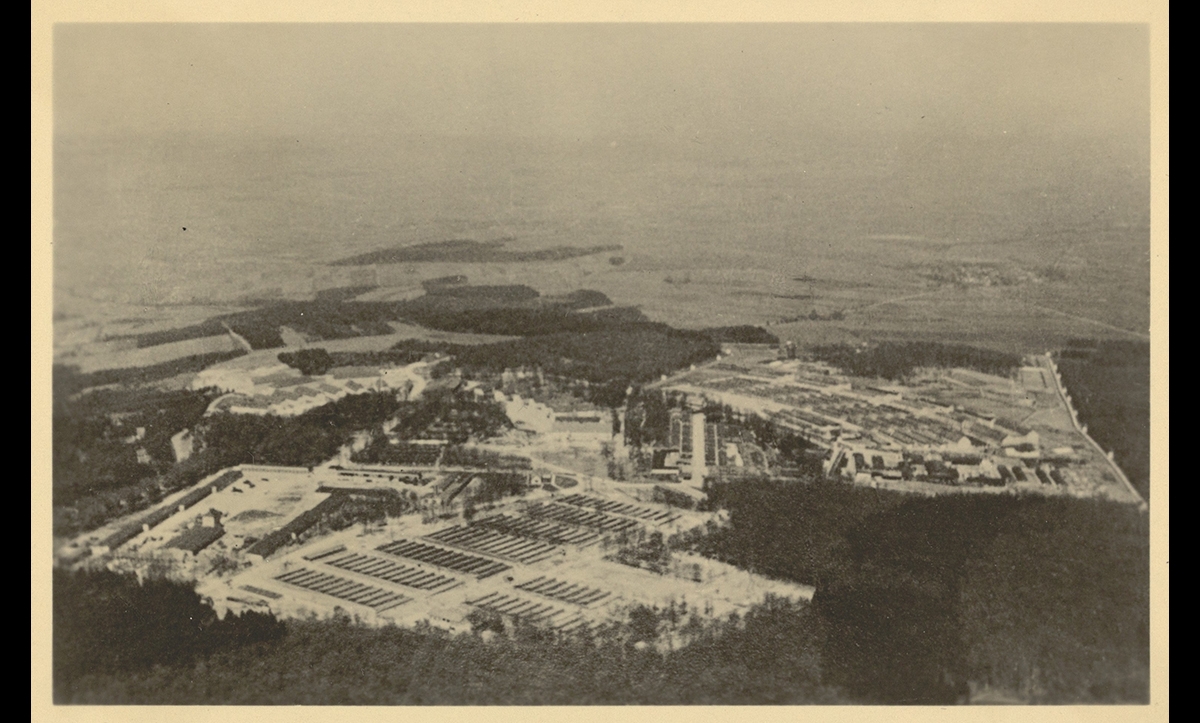
The first 2,000 prisoners were mainly former convicts and political prisoners. They were forced to build the first structures of the main camp.
As the camp grew, periods of overcrowding often corresponded to events and waves of arrests in Germany. For example, in summer 1938, the number of inmates tripled due to the arrests of so-called ‘
asocials
’. During
Kristallnacht
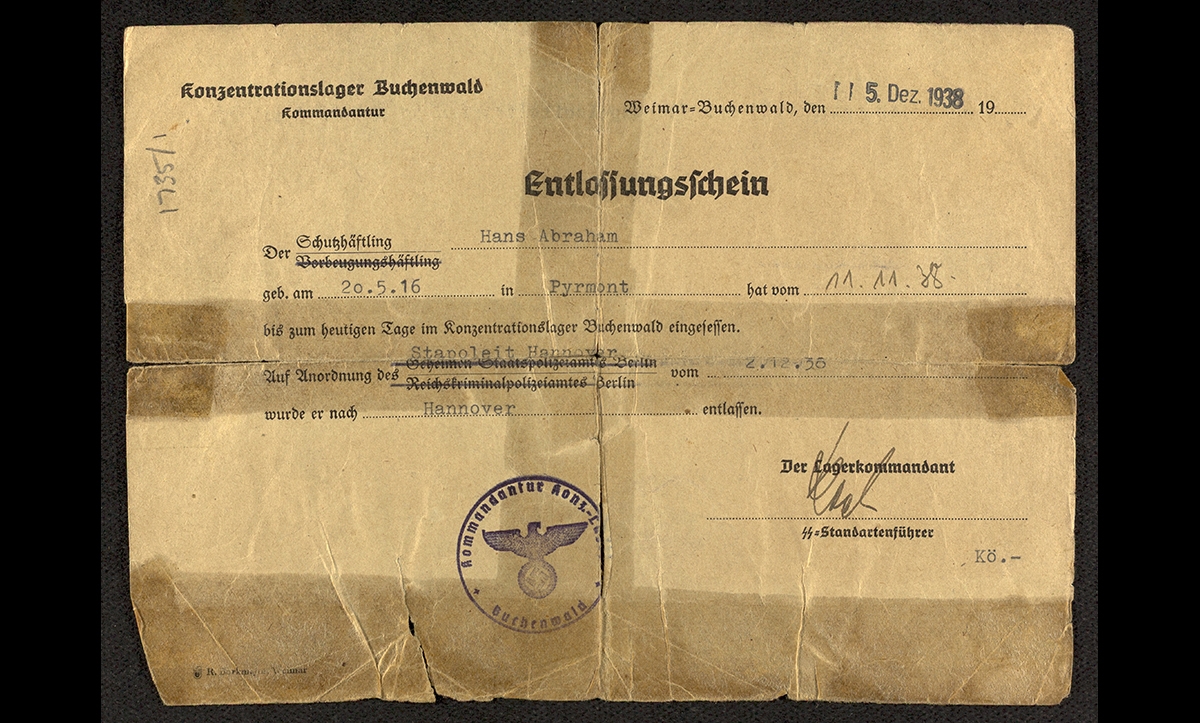
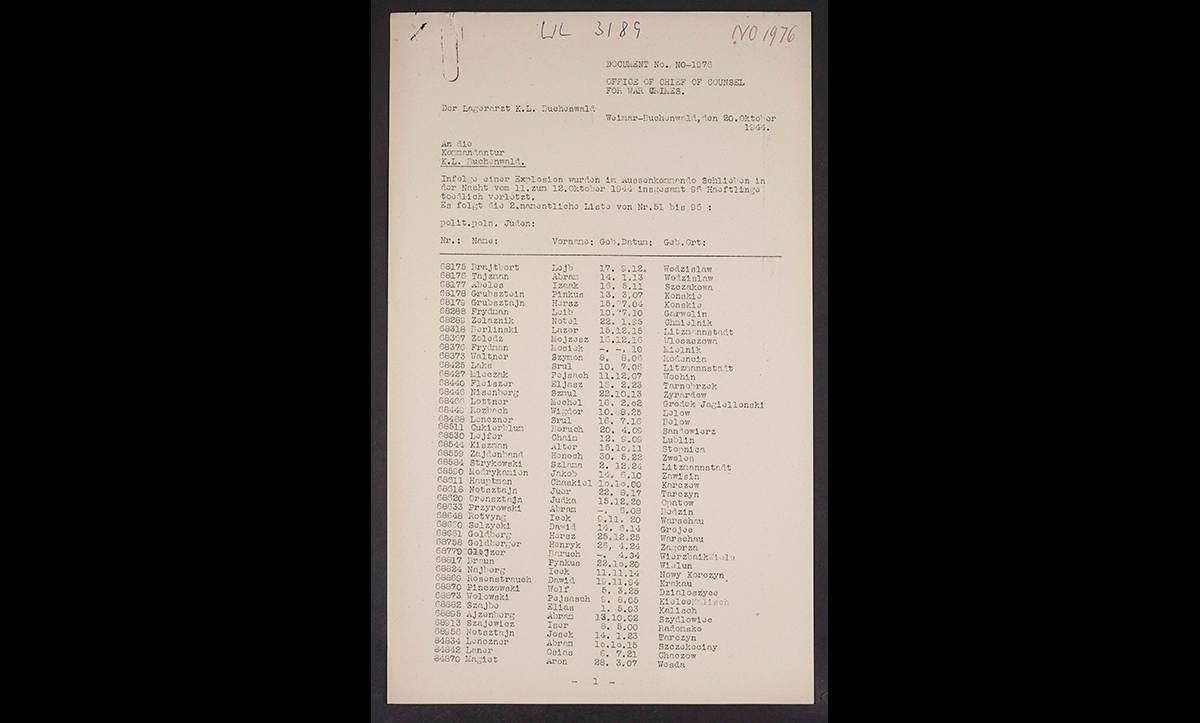
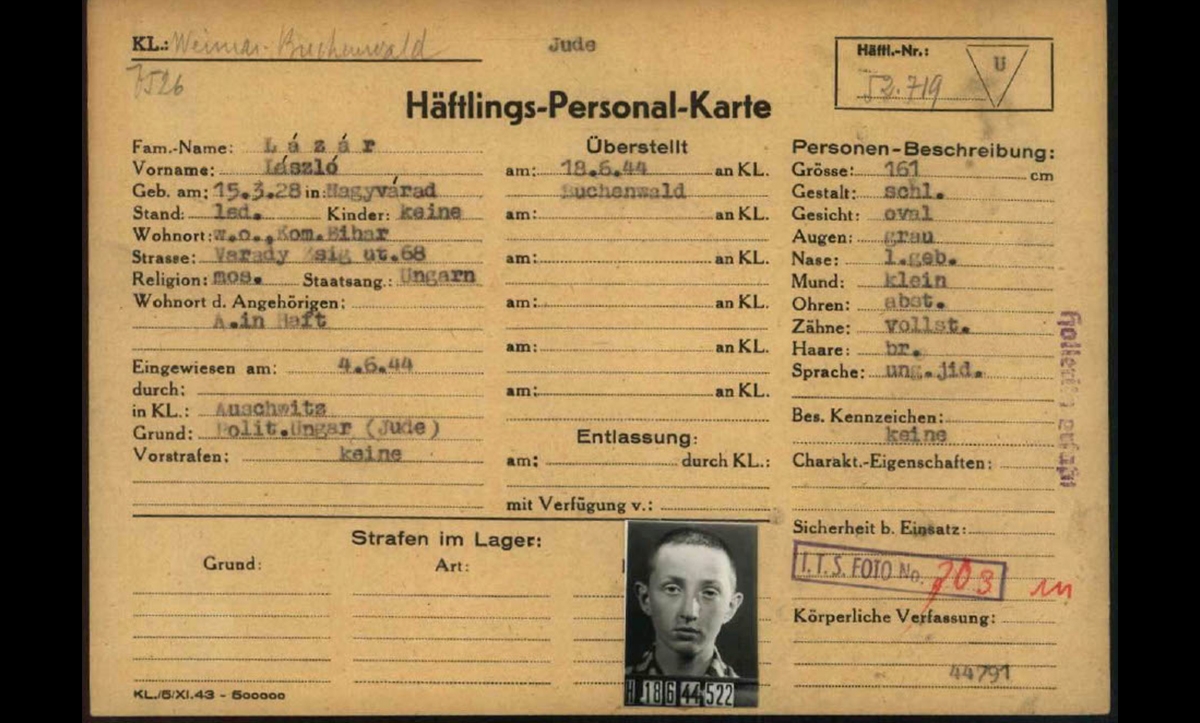
, around 10,000 Jewish men were arrested and sent to Buchenwald. They were held in a
segregated
area of the camp and subjected to incredibly hard conditions; many died. Many were eventually released on the condition that they would leave Germany.
The
SS
utilised a system of prisoner administration to help run the camp which led to a power struggle between the Communist and criminal prisoners. By 1943, the Communist prisoners controlled all the important camp positions.
There were numerous prisoner groups doing different kinds of forced labour, including in various workshops, the stone quarry, construction, railways, and armaments production.
Extreme hunger was a fact of life – prisoners were given the most basic rations of bread, soup, and coffee. They were also exposed to daily terror and cruel punishments, including hours-long roll calls, arbitrary beatings, and public hangings.
The start of mass murder
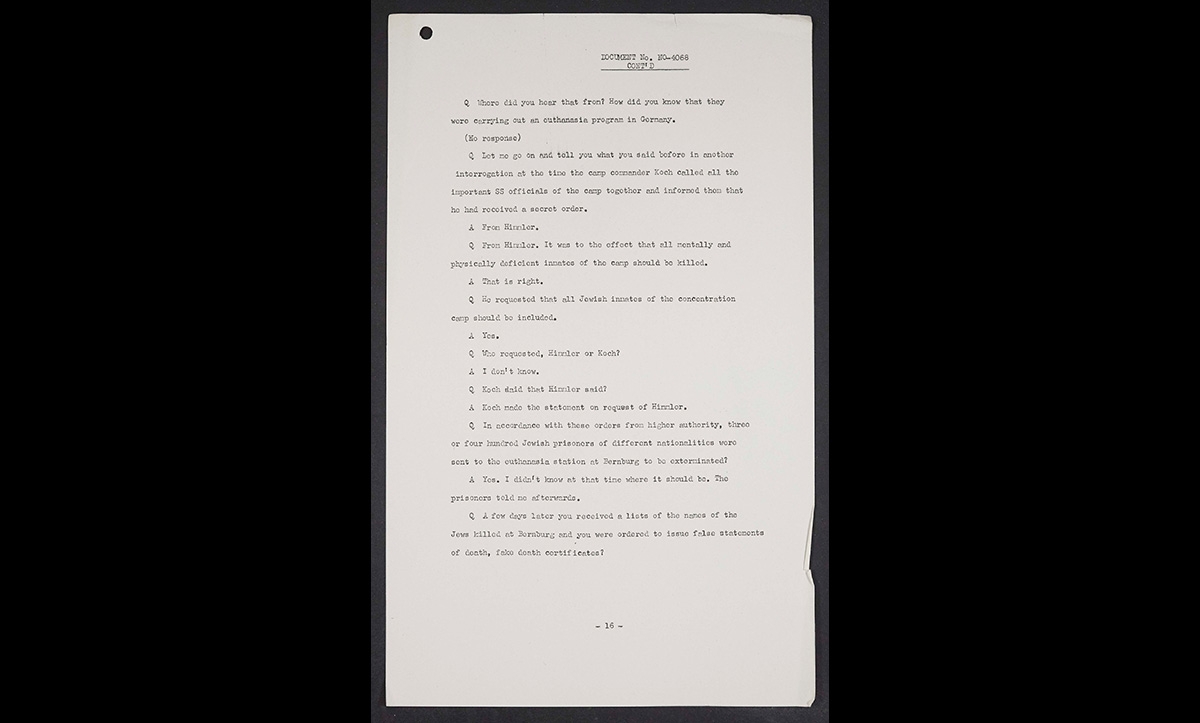
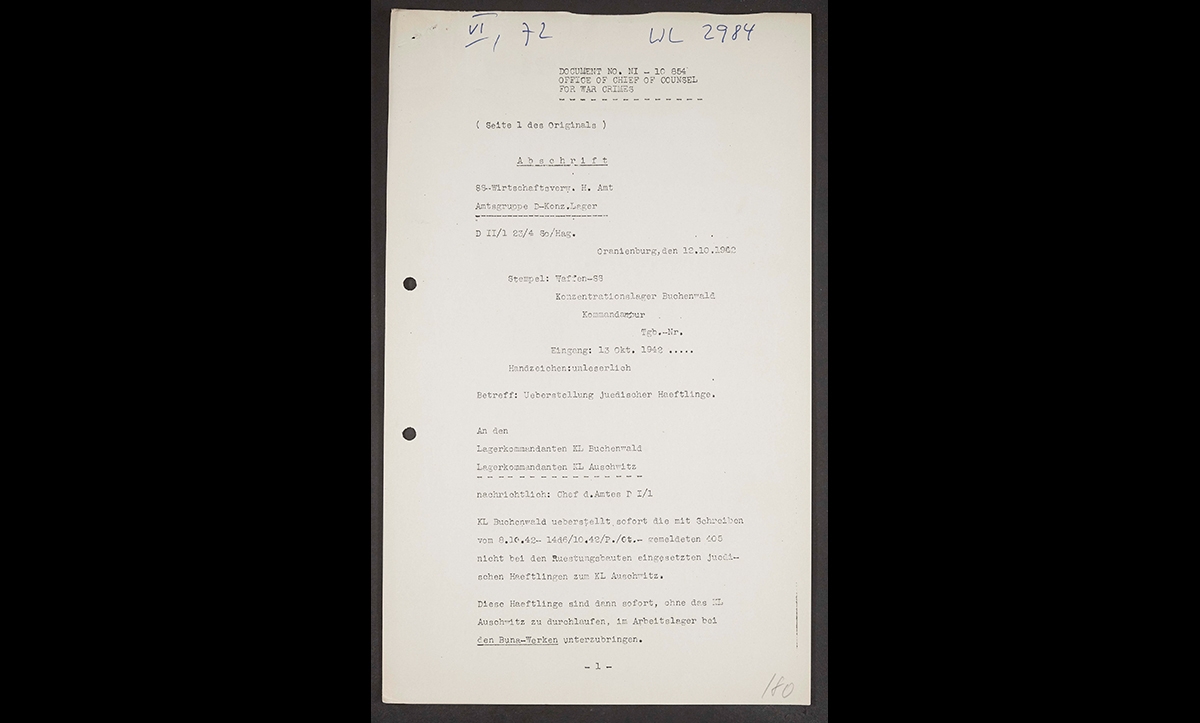
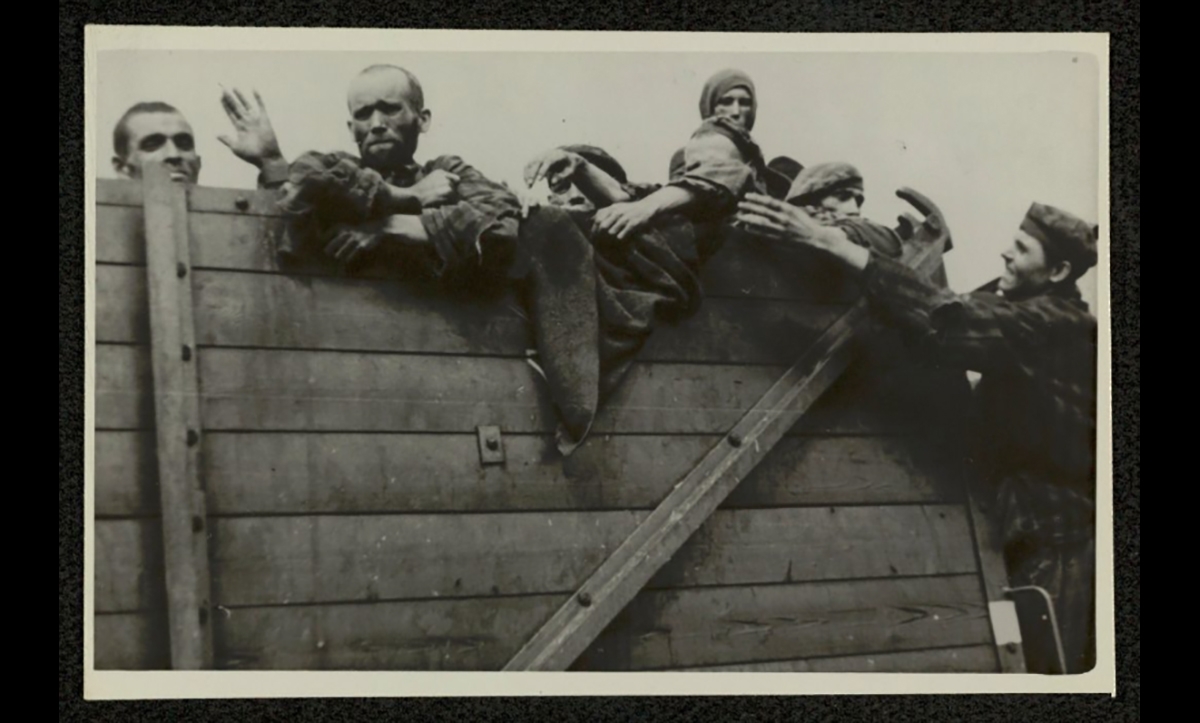
From 1941, some groups of prisoners began to be murdered at Buchenwald, and others, including Jewish prisoners and prisoners with disabilities, were deported to other camps and facilities for this purpose.
For example, approximately 8,000 Soviet prisoners of war were killed in 1941-42, in a specially built facility where they were shot in the back of the neck one by one. According to the director of the crematorium, sometimes as many as 400 men were shot per night.