Belsen
Displaced Persons
(DP) Camp was unique as it was the only DP camp to be set up on the former grounds of a concentration camp. Like other DP camps, it became a place where survivors of the Holocaust began to rebuild their lives.
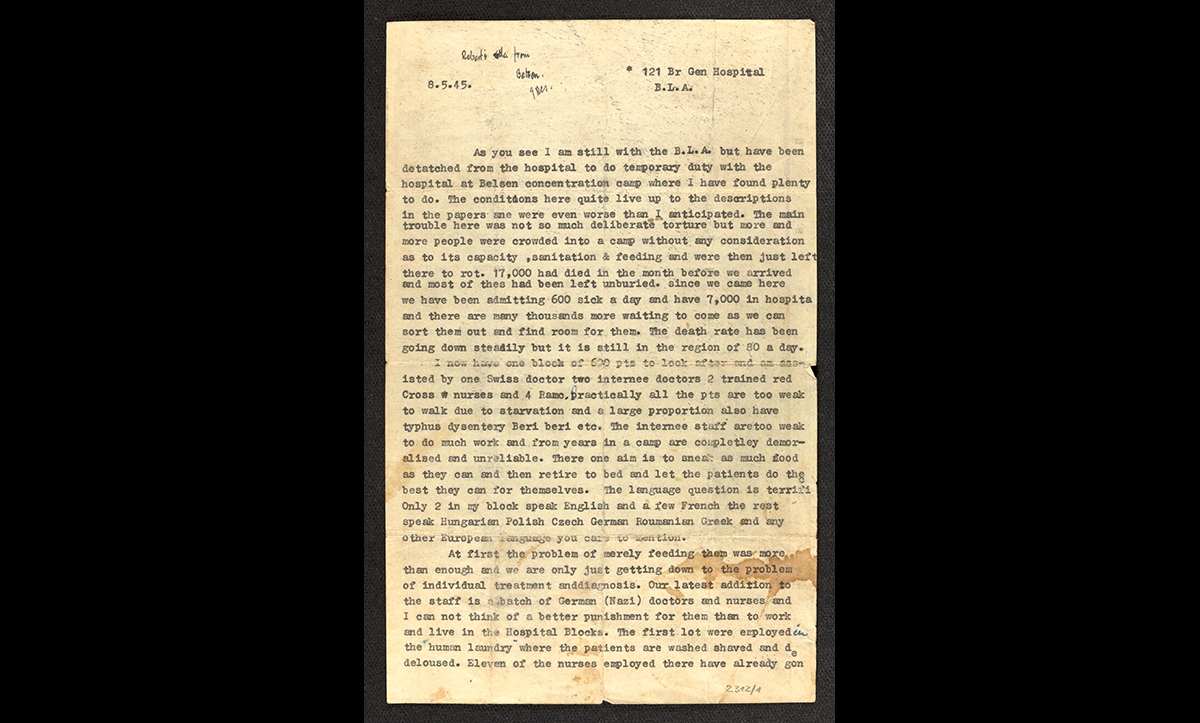
Immediately after entering Belsen on 15 April 1945, the British began coordinating aid, as they encountered over 60,000 prisoners living in hellish conditions and some 13,000 unburied dead bodies.
The most urgent task was medical care for the survivors. The worst cases were transferred elsewhere, such as the 6,000 prisoners taken to Sweden. Despite the best efforts of the British, over 10,000 former prisoners died in the spring and early summer of 1945. At the same time, able survivors from Western Europe began to be repatriated home. The camp population thus only stabilised in November 1945, with approximately 16,000 DPs.
Relief and medical aid
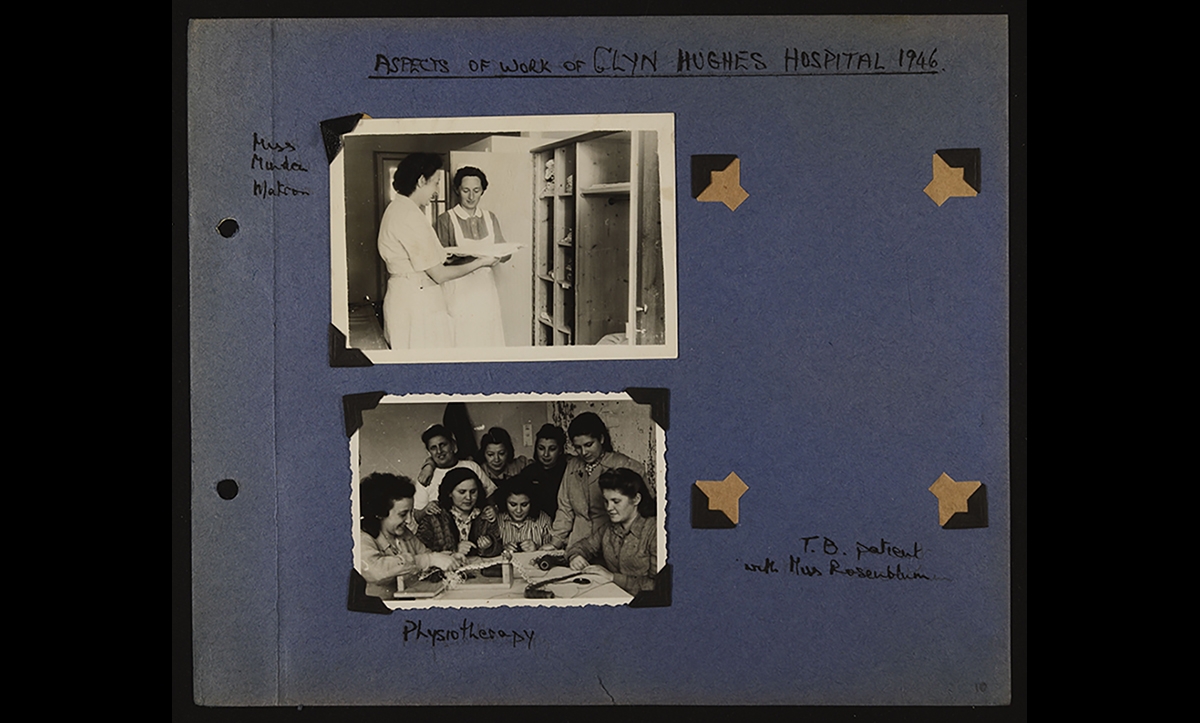
In June 1945, the British Army established the Glyn Hughes Hospital for the DPs. It was staffed by British Army,
UNRRA
and
JDC
doctors and nurses, as well as British and Swiss Red Cross units and British medical students.
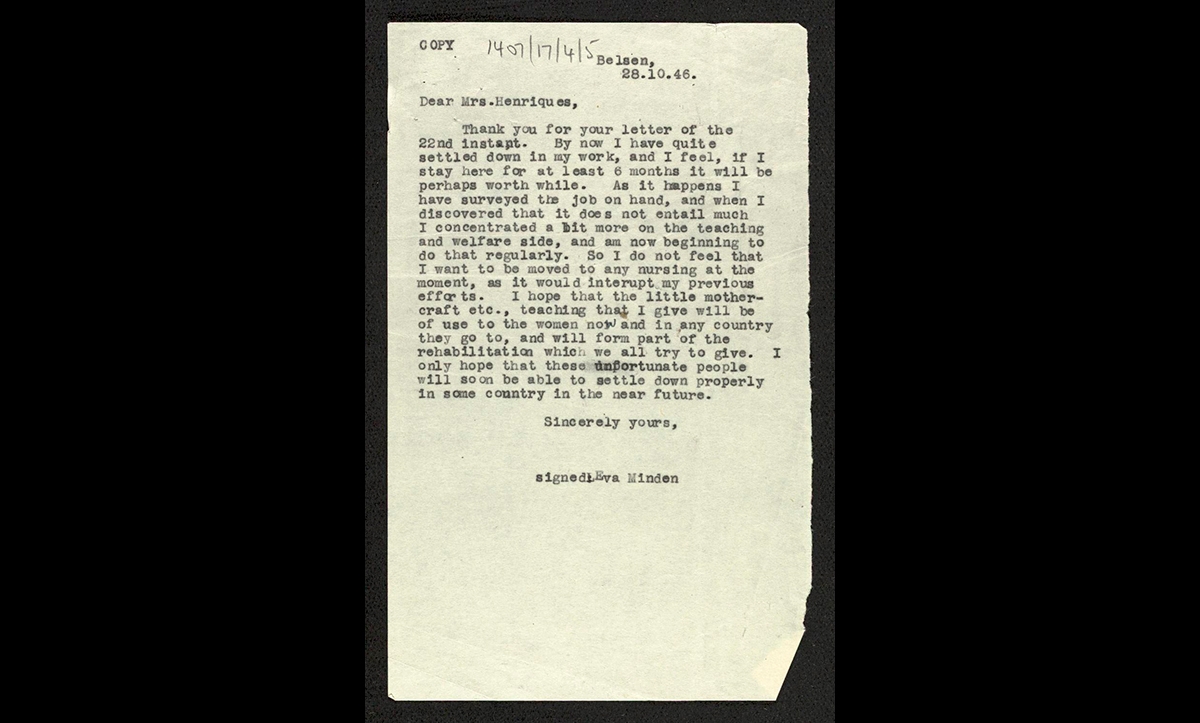
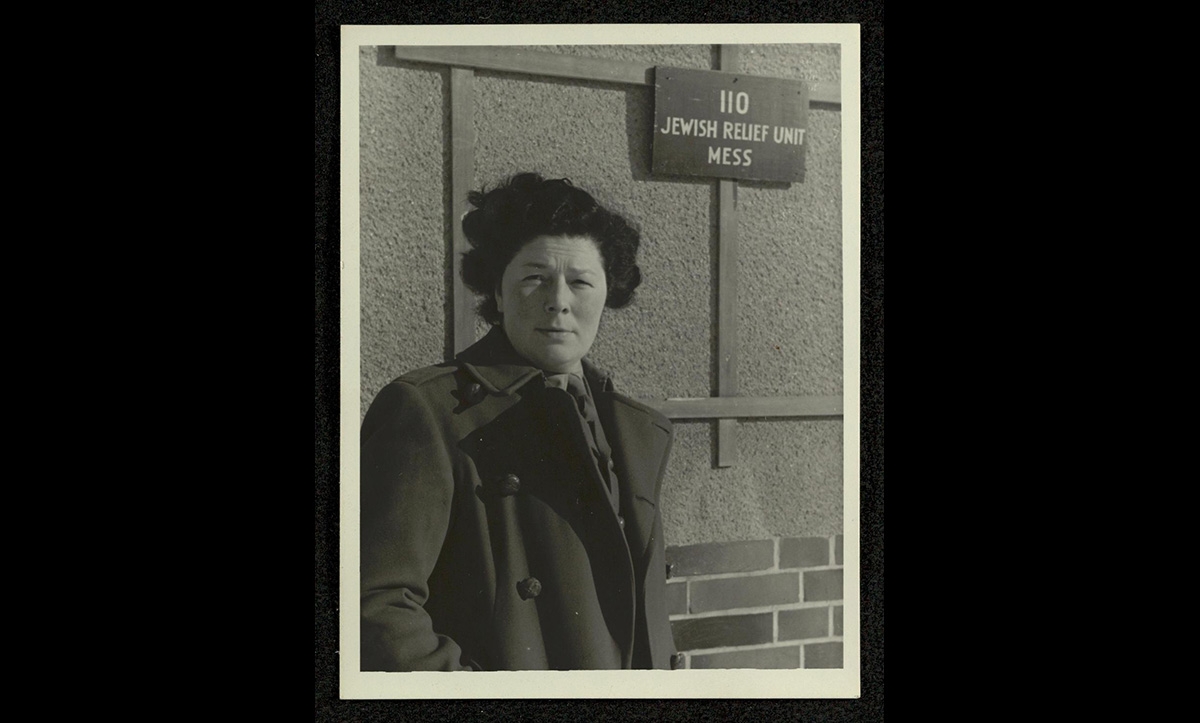
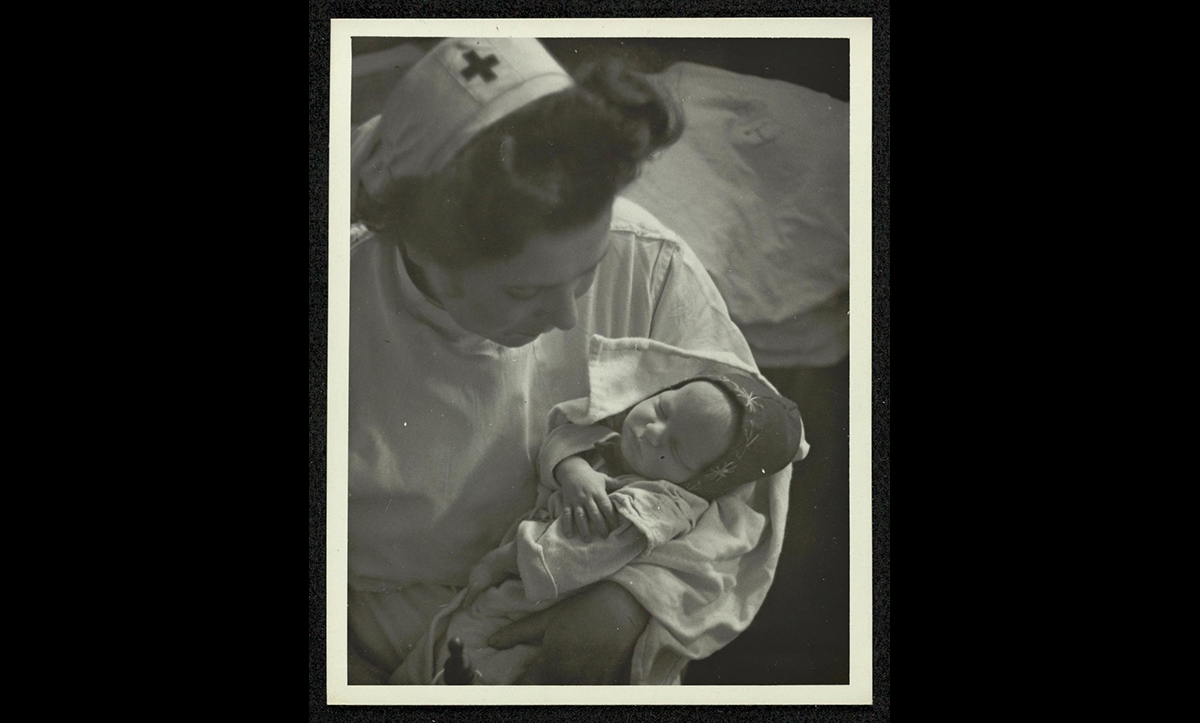
JDC and Jewish Relief Unit (JRU) representatives arrived at Belsen in summer 1945, and eventually became responsible for different areas in the camp. The JRU focused on welfare work including care for pregnant women and babies. The JDC established a camp postal service and helped survivors search for family members.
The Central Committee
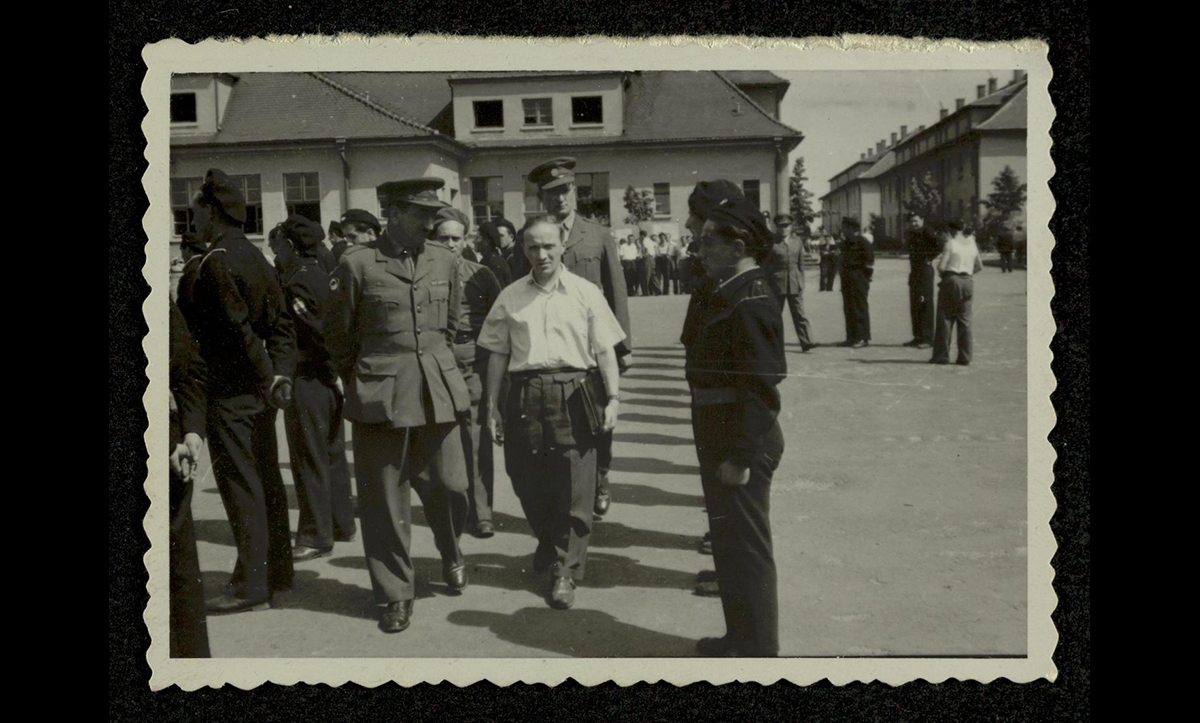
DPs in Belsen quickly organised themselves based on their nationality, apart from the Jewish survivors, who grouped together.
On 25-27 September 1945, the Jewish DPs across the British Zone held a Congress at Belsen to establish their central demands. They elected a 17-person Central Committee to be their governing body, manage internal affairs and liaise with British authorities and international Jewish organisations. They represented the needs and wants of the Jewish DPs in all facets of DP life, including supervising healthcare services, culture, Holocaust commemoration, and advocacy for immigration to Palestine.
In May 1946, the final non-Jewish DPs at Belsen were repatriated, and Belsen became a Jewish-only DP camp. The Central Committee thus effectively led the camp internally.
Cultural life and education
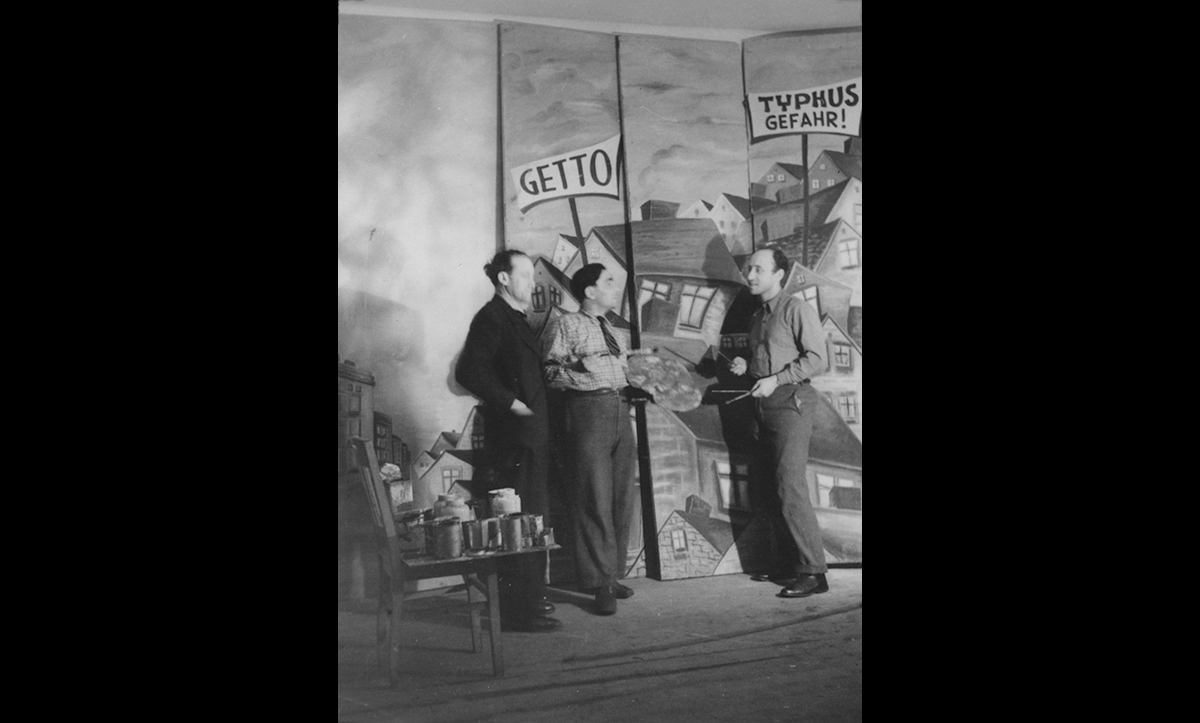
The cultural life in Belsen DP camp was incredibly rich and was part of the spiritual rehabilitation of survivors.
An elementary school was opened in July 1945, and by September it had 92 pupils. Classes were taught in Yiddish, and the children were taught subjects including reading, maths, Jewish and world history, and Hebrew. In December, a secondary school opened, where the older children were also taught Latin, geometry, English, and Hebrew literature.
There were also other types of schools – the camp rabbinate ran religious schools, and the
ORT
ran vocational training schools, offering training in trades such as carpentry, dressmaking and mechanics.
The Belsen DPs produced the first Jewish newspaper in postwar Germany, Unzer Sztyme (Yiddish for ‘Our Voice’). The first issue was published in July 1945. Written in Yiddish, articles dealt with world Jewish news, cultural events, as well as Yiddish and Hebrew literature, written by the DPs as well as reprinted news from international press. Multiple journals were also published at Belsen, and different political groups established their own periodicals.
A camp library was opened in September 1946, which was the largest of its kind in the British Zone of Germany. By June 1947 it had over 3,000 books in numerous languages, which were provided by the JDC, World Jewish Congress, and
Yiddish Scientific Institute
(YIVO).
Numerous sports clubs were set up, with the JDC, JRU and UNRRA providing equipment. There were two football teams, called Hatikvah (The Hope) and Kokhav (Star), who frequently played matches against teams from other DP camps.
A major concern for some was also resuming religious life and practice in the camp. Immediately after liberation, Belsen’s surviving rabbis helped bury the dead according to Jewish law as far as they could. After that, they commenced religious education and other duties, such as leading religious ceremonies. They also lobbied the camp leadership for a kosher kitchen and a
mikveh
.
Closure
In January 1949, the British Secretary for Foreign Affairs granted DPs freedom of movement and lifted the ban on Jewish immigration to the newly created state of Israel. As this was the preferred destination for most DPs, the number of DPs in the camp began to fall. Others emigrated to countries such as Britain, Canada, the US, and France under various resettlement schemes.
By summer 1950, the last DPs still in Belsen were the so-called ‘hardcore’ cases who, because of medical problems, had limited opportunities for resettlement. The camp was permanently closed on 10 July 1950, when the final 1,000 residents were transferred for further care in a town in northern Germany.